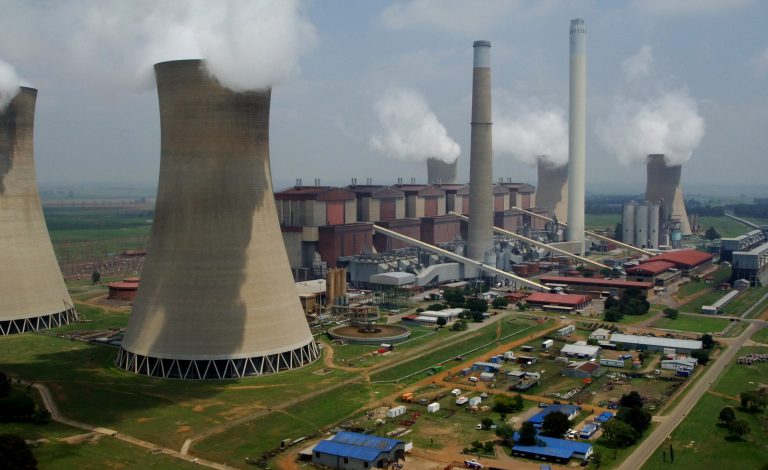
China’s coal-fired power generation is expected to increase in 2026, reversing last year’s decline and underscoring the difficulties the country faces in reducing its dependence on fossil fuels.
According to industry analysts, growing electricity demand, concerns over energy security, and slower growth in renewable power output are pushing the world’s largest energy consumer back towards coal.
Data released by China’s National Bureau of Statistics showed thermal power generation, which is predominantly coal-fired, rose 3.4% year-on-year during the first five months of 2026 to 2.53 trillion kilowatt-hours (kWh).
Several research firms now expect coal generation to continue growing throughout the year. S&P Global Energy and Wood Mackenzie forecast coal-fired electricity output to rise between 1.5% and 2%, reaching around 5.4 trillion kWh. Data analytics company Kpler estimates coal consumption in the power sector could increase by roughly 3% to 2.7 billion tonnes.
One factor contributing to the shift is the rising cost and uncertain availability of liquefied natural gas (LNG). Analysts say disruptions linked to tensions around the Strait of Hormuz have encouraged China to reduce LNG imports, making coal a more attractive option for power generation.
At the same time, China’s electricity demand continues to climb. Increased use of air conditioning during an expected hot summer, expanding data centre capacity, the growing adoption of electric vehicles, and stronger manufacturing activity are all placing additional pressure on the power grid.
The rebound comes despite China’s rapid renewable energy expansion. Since President Xi Jinping pledged carbon neutrality by 2060, the country has dramatically increased its wind and solar capacity, reaching its 2030 renewable installation target six years ahead of schedule.
Renewables now account for more than half of China’s installed power generation capacity. However, analysts say renewable electricity output is not growing quickly enough to match rising demand. Weak wind conditions, lower solar utilisation rates in some regions, and slower installation growth compared with last year have limited clean energy’s contribution in 2026.
Structural challenges also remain. China still requires significant investment in battery storage, grid flexibility, and inter-provincial power transmission systems to make better use of renewable energy.
Read also: Africa Forward Summit unveils €27 billion clean energy and infrastructure investments
Weather conditions could add further complications. Analysts warn that El Niño may reduce rainfall in key hydropower-producing regions in southwestern China, potentially forcing major industrial provinces to rely more heavily on coal and other fossil fuels to meet electricity needs.
The expected increase in coal generation highlights the balancing act facing Chinese policymakers. While the country continues to lead the world in renewable energy deployment, maintaining reliable and affordable electricity supplies remains a priority as demand continues to grow.