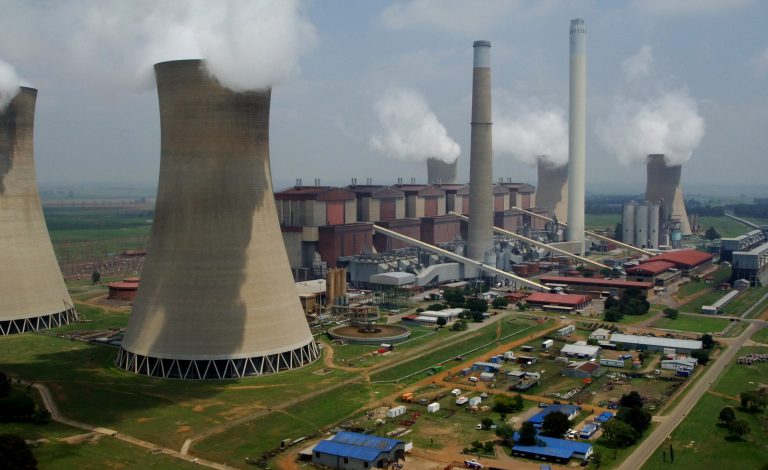
The Trump administration is set to roll out a significant deregulatory shift this week, easing restrictions on coal-burning power plants to allow for higher emissions of hazardous pollutants, including mercury.
A Shift in Regulatory Philosophy
The move marks a definitive pivot from the environmental priorities of the previous administration. Under EPA Administrator Lee Zeldin, the agency is arguing that the current limits on mercury; a potent neurotoxin known to impair fetal brain development, impose “unwarranted costs” on utility companies.
Internal agency documents suggest that loosening these standards could save the energy sector approximately $670 million between 2028 and 2037.
Strategic “Energy Emergency”
The rollback is part of a broader strategy by President Donald Trump to address what he has labeled an “energy emergency.” The administration cites the massive electricity demands of artificial intelligence and data centers as the primary driver for keeping aging coal plants operational.
Key pillars of this new energy policy include:
-
Regulatory Exemptions: The EPA has already granted 47 companies two-year exemptions from mercury and air toxic regulations.
-
Repealing Biden-Era Rules: The agency is moving to finalize the repeal of carbon dioxide and pollutant limits established under the Biden administration.
-
Infrastructure Prioritization: A focus on “fast-tracking” traditional energy infrastructure over renewable alternatives.
Impact on Renewables
As the administration clears the path for coal, it has simultaneously moved to curb the growth of the green energy sector. This includes:
-
The removal of federal tax incentives for wind and solar projects.
-
The “slow-walking” of permits for renewable energy developments on federal, state, and private lands.
The final rule regarding these emission limits is currently under interagency review and will be published once signed by Administrator Zeldin.
Read also: Trump Administration Withdraws $1 Billion from South Africa’s Energy Transition Plan